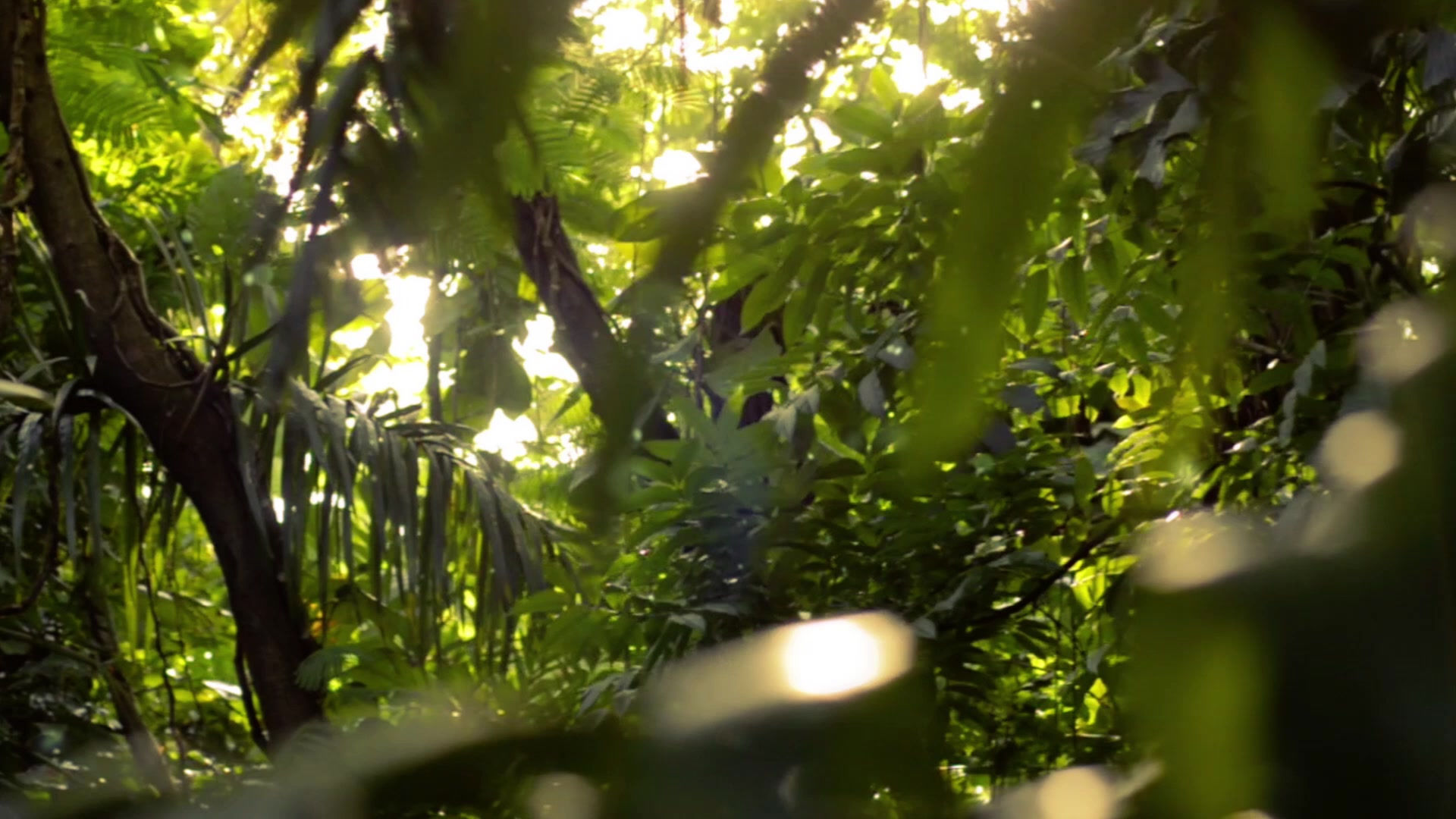


FOREST BATHING
Slow down. Breathe. Notice.
You don't need to hike a mountain, meditate for an hour, or know the names of every tree.
Forest bathing begins with something much simpler:
Being present in nature.
What Is Forest Bathing?
Forest bathing is the practice of spending intentional, unhurried time among trees and allowing your senses to guide your attention.
It isn't about getting somewhere.
There is no trail to conquer, distance to cover, or destination to reach.
Instead, you slow your pace. You notice the texture of bark beneath your fingertips. Listen to birdsong and wind moving through the leaves. Breathe in the earthy scent of the forest. Watch the changing patterns of light.
You aren't trying to do anything.
You're simply allowing yourself to be here.
Where Did It Begin?
The modern practice of forest bathing, known as shinrin-yoku, developed in Japan in the 1980s. The term roughly translates to "forest bath"—as though you are bathing in the atmosphere of the forest rather than water.
While the modern practice has its roots in Japan, the idea of finding restoration, wisdom, and connection in nature is much older. Across cultures and throughout human history, forests have been places of refuge, contemplation, ceremony, and renewal.
Forest bathing brings that ancient instinct into everyday life.
Why Does Nature Feel So Restorative?
Think about how different your attention feels when you're surrounded by trees instead of screens, traffic, notifications, and endless to-do lists.
Natural environments give us an opportunity to soften our attention and engage our senses in a different way.
Research into nature exposure and forest bathing has explored associations with reduced stress, improved mood, relaxation, and other aspects of wellbeing.
But you don't need to measure your experience to benefit from it.
Sometimes the most important thing nature gives us is permission to stop rushing.
My Approach to Forest Bathing
For me, forest bathing isn't about following a rigid set of rules.
It's about developing a relationship with the living world around us.
I like to think of it as a practice of attention, curiosity, and gratitude.
You might spend an hour wandering beneath the trees. Or you might sit beside one tree for ten minutes and notice what you would normally walk past.
There is no "right" way to do it.
The forest doesn't need you to perform.
It simply invites you to notice.
Try This: A 5-Minute Forest Bath
You can do this in a forest, a park, your garden, or anywhere you have access to a little nature.
Minute 1 — Arrive
Stop walking.
Take three slow breaths. Feel your feet on the ground. Let yourself become aware of where you are.
Minute 2 — Look
Choose one small area and really look at it.
Notice colors, shapes, shadows, movement, and tiny details you might normally overlook.
Minute 3 — Listen
Close your eyes if you're comfortable.
Listen for the sounds closest to you, then the sounds farther away. Don't name them. Just listen.
Minute 4 — Feel
Notice the air against your skin. Touch a tree, a leaf, or the ground if appropriate. Pay attention to texture and temperature.
Minute 5 — Simply Be
For the final minute, stop searching for something to notice.
Just sit or stand quietly.
Breathe.
Let the forest be the forest.
And when you're ready, continue on with your day—but take a little of that stillness with you.
Go Deeper
If you'd like to experience forest bathing rather than simply read about it, I've created longer videos designed to help you slow down, reconnect with nature, and spend a little more time in the quiet places.
Explore my Forest Bathing & Nature Therapy videos on YouTube →
And if you'd like occasional inspiration for slowing down, noticing nature, and creating more mindful moments in your everyday life, join my email list.
Come wander with me.
Slow down. Breathe. Notice.