

Why Dragons?
Creatures in the Heart of Arduinna's Forest
If Arduinna's forest has a secret, perhaps it is this: The forest has a heart. And beneath the forest, there are places where that heart beats in the dark. Deep in the Ardennes, the River Lesse disappears beneath the earth and winds its way through the limestone before emerging again. The result is the extraordinary underground world known as the Caves of Han. It is a place of enormous chambers, narrow passages, underground rivers, darkness, and stone formations shaped over immense stretches of time. The cave reaches nearly 110 meters underground, and the river that created it still flows through its depths. It is not difficult to understand why a place like this inspires stories.
Long before it became a destination for modern visitors, the cave was known to people who lived in the region. Archaeological discoveries reveal human activity reaching back around 10,500 years. Objects found in and around the underground river include material dating from the Bronze Age through Roman times, and some discoveries have been interpreted as possible offerings to the gods. Imagine entering those caves without electric lights. No paved paths. No handrails. No map. Only firelight, darkness, dripping water, and the echo of your own footsteps. What might you imagine was living there?
I imagine dragons.
Why dragons?
Dragons have always seemed to belong in places where the ordinary world meets the unknown. They guard treasure. They inhabit mountains and caves. They sleep beneath the earth. They protect ancient knowledge. They breathe fire into darkness. And perhaps most importantly, they are creatures of thresholds. A dragon often lives between worlds: above and below, wild and civilized, known and unknown, destruction and creation. That makes them feel strangely at home in Arduinna's forest. But the dragons in my work are not meant to be presented as creatures from an ancient Arduinnian religion. There is no surviving evidence that tells us that Arduinna herself kept dragons beneath the Ardennes.
These dragons are mine.
They belong to the mythology I am creating around this ancient forest. In my novel The Godmother, the caves beneath the Ardennes become the home of dragons—hidden beneath the forest, beyond the reach of ordinary people. And perhaps that isn't such a strange place to put them after all.
The Caves of Han
The real Caves of Han lie near Han-sur-Lesse, in the heart of the Ardennes. The caves were formed by the River Lesse as it carved through the limestone of the Boine Massif. At one point, the river disappears underground, traveling through the cave system before eventually returning to the surface. Above the caves is a landscape of forests, valleys, cliffs and wildlife. Below them is another world. The darkness is almost complete. Water has carved enormous chambers from stone. Stalactites and stalagmites have grown slowly over thousands upon thousands of years. The walls carry the evidence of a landscape that existed long before any of us arrived. And this is where my imagination places the dragons. Not in some distant fantasy kingdom. Here. Beneath the trees. Beneath the roots. Beneath the ancient forest of Arduinna.
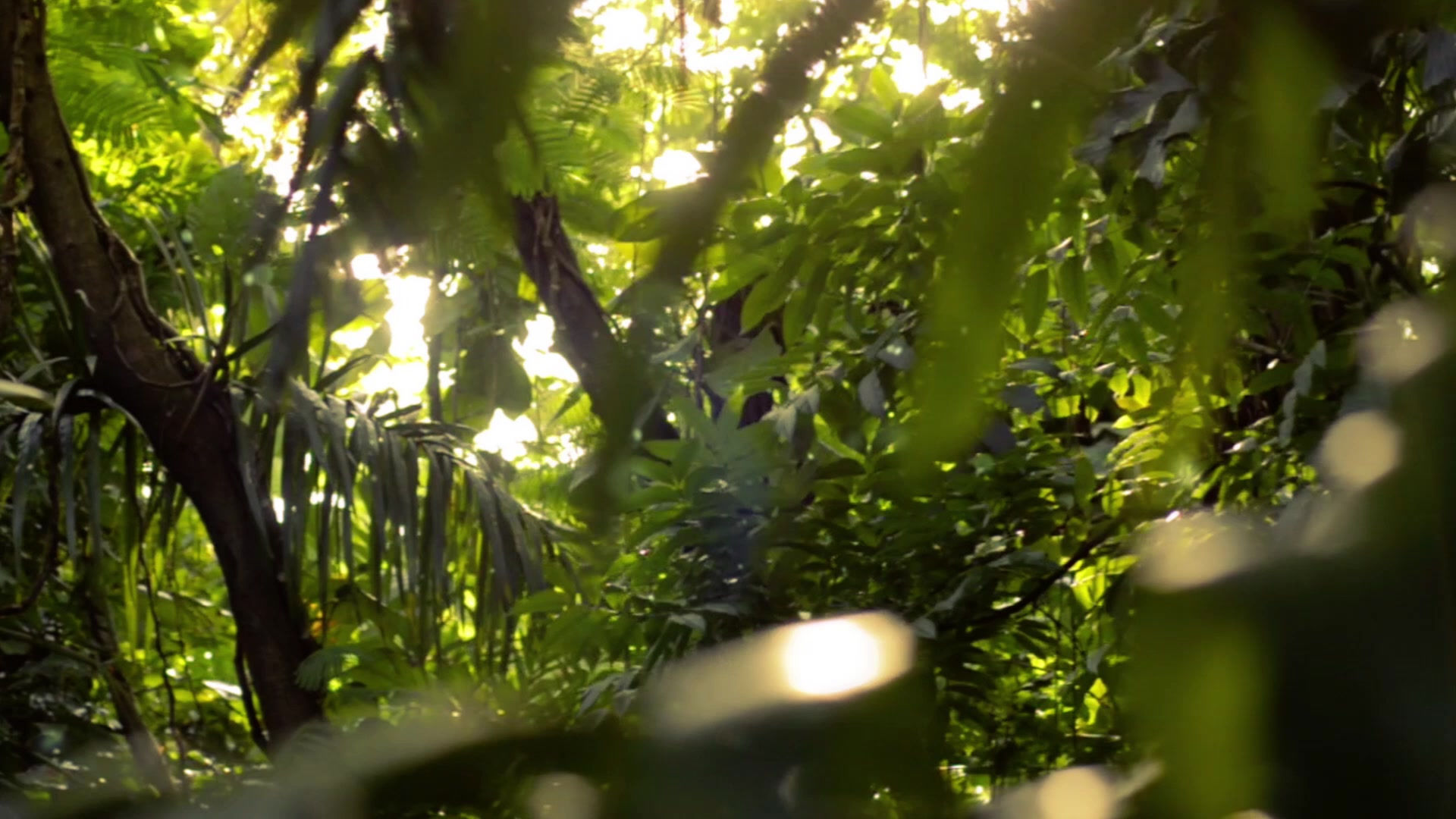
A forest with something sleeping beneath it. Perhaps that is what I love most about dragons. They make the forest feel deeper. When I walk among the trees, I can imagine the visible forest as only the surface of something much larger. Roots reach downward. Streams disappear beneath rocks. Caves open into darkness. The earth remembers things we cannot see. And somewhere below it all, perhaps a dragon curls around a hoard of ancient treasures and waits. Sometimes that treasure is gold. Sometimes it is knowledge. Sometimes it is a crystal. And sometimes, perhaps, it is simply the forest itself.
From Dragons to Crystals
This is also why crystals have found their way into my dragons. A crystal is something that seems to come from another world while being completely natural. It is formed slowly, under pressure and time, deep within the earth. It catches the light. It holds color. It feels ancient. And when I place a crystal into the body of a dragon, I like to imagine that the dragon has been protecting it long before it ever reached human hands. Each dragon becomes a little guardian. A creature of the forest. A keeper of something beautiful. A reminder that the things we find in nature can inspire wonder without needing to be explained away.
The Dragons of Arduinna
The dragons in my stories and sculptures are creatures of imagination—but they are rooted in a very real place. The Ardennes. The caves. The rivers. The ancient forest. The mysteries beneath our feet. And the timeless human desire to imagine that wild places contain something more than we can see. Perhaps that is why dragons continue to fascinate us. We know they are creatures of myth. And yet, when we stand at the mouth of a dark cave...when the forest disappears into mist...when we hear water moving somewhere beneath the earth...for just a moment, we wonder. And perhaps that is enough.
Somewhere beneath Arduinna's forest, the dragons are still sleeping.